
Body:
As cremation becomes ever more popular in modern United States society (accounting for nearly half of all deaths in the country these days, though the percentages vary widely according to region), questions about it become more and more common. A great area of concern for many consumers is whether crematory operators are required to be licensed, and, if so, who is responsible for attending to that duty. The answer to those questions are, yes, and, well, it depends on what state you are inquiring about. While all states in the the nation have required crematories to be licensed for many decades, there are varying degrees of government oversight in each state. (There is no federal requirement that crematories be licensed, though some experts predict that may come about eventually.) The good news is that nearly every state seems to have similar requirements that attend to several common areas of concern: remain identification procedures, installation and maintenance of machinery, training of operators and disposition of remains to heirs and family members. While the specifics of state rules may vary, the overall effect of the laws is the same in most every state of the United States. Because the concern for this topic grows with each year that prices for cremation services remain steady while traditional burial expenses increase, we offer this overview of licensing requirements for crematories.

Why Are Crematories Licensed
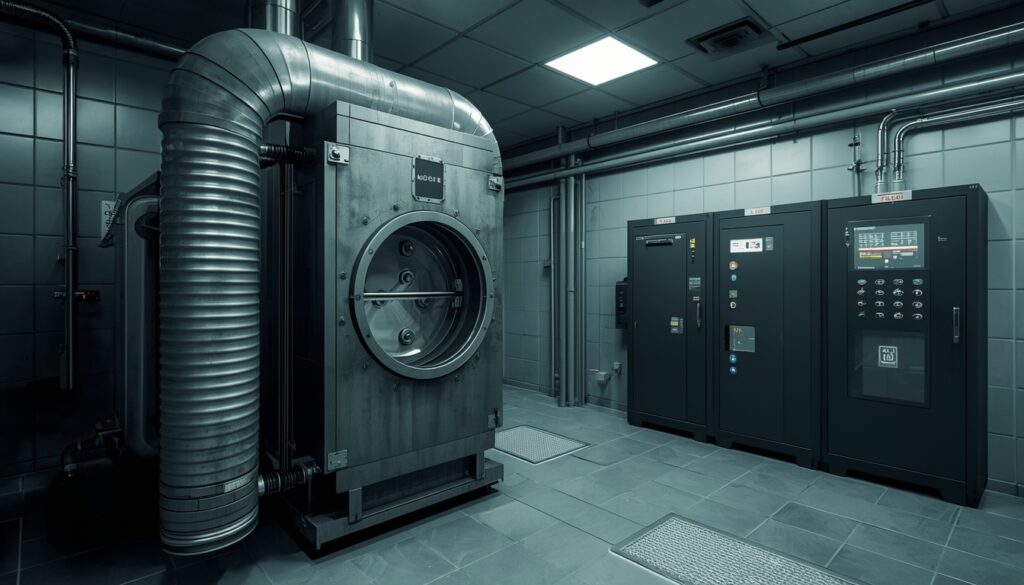
Crematories are licensed simply because, by its very nature, there is much room for abuse of families who contract the service and the communities in which it happens. By products of cremation are not only disturbing to many people – since they involve the remains of human beings – but they are also considered controlled industrial emissions (similar to those of refineries and other industrial plants) because they potentially harmful to the environment. Preventing (or at least minimizing) pollution is a significant factor in laws the regulate crematories and require licensing of the establishments that practice cremation.
Further, crematories have plenty of opportunity to commit fraud if left unregulated. Cremation remains, after all, are unidentifiable (at least with today’s technology), leaving families who trust a crematory operator and his or her staff vulnerable to situations in which their loved one’s remains are not returned to them as promised. Even in an industry that is regulated and monitored, there are at least a handful of cases most years in which crematory operators are caught doing questionable things with the ashes left in their care. In some cases, for example, crematories have gone for months without doing any cremations at all all. Rather, after mechanical failure in their ovens, they have been known to simply dispose of the human remains by secret burial and return to family’s cremation urns filled with sand or some other element that looks very similar to human remains. Under laws in most (if not all) states, this type of act carries with it significant penalties (in many cases even jail time) and, while it is unfortunate that such rules have to be enforced, many consumers can rest easy knowing that they are, indeed, in place and enforced.
History of Cremation Licensing
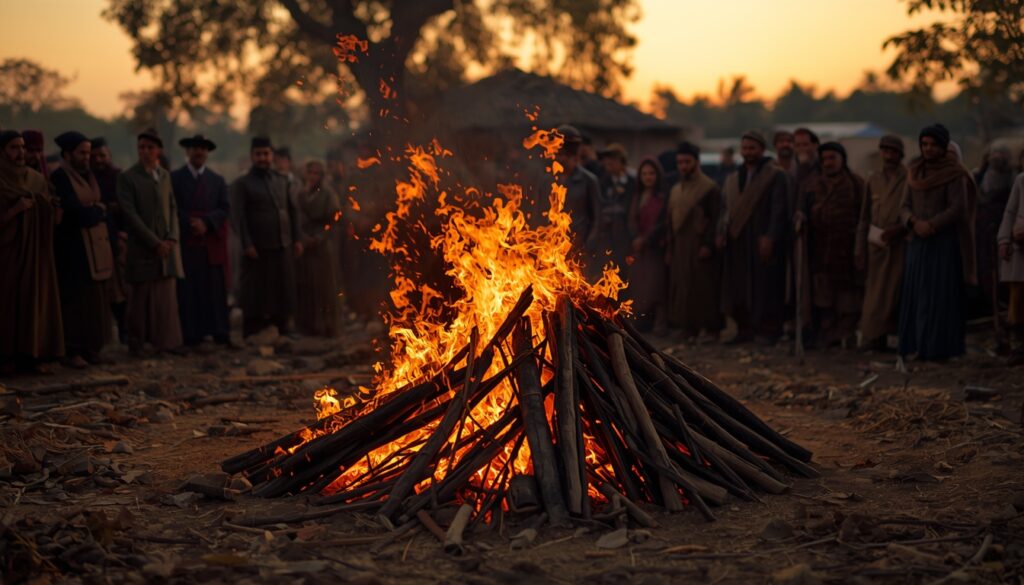
Cremation as a method for disposing of the deceased is about as old as death itself. For almost as long as mankind has been on Earth, its various societies have left evidence that cremation was a big part of their rituals surrounding death. But only relatively recently, as the industrial age brought the world cremation equipment that was mechanized, created potentially harmful emissions and, of course, made anonymous cremations possible, have laws and licensing regulation been considered necessary. In centuries past, cremation was done atop funeral pyres in which bodies were clearly visible to a number of outdoor visitors who saw a body reduced to ashes over the course of a few hours. During mankind’s pre-industrial ages, there was never much concern for how controlled fires such as those of funeral pyres were conducted. Common sense – rather than rule of law – was the thing that societies depended upon more than anything. Training in building and attending to these pyres was a function of a society’s elders (often religious elders), rather than to an agency of the government, so licensing was not thought of for cremations to any great extent until the early 20th century. Now, it just makes common sense that a government agency of some sort would oversee cremation operations in modern facilities that, without properly trained staff members, might be dangerous to our modern society.
Who Licenses Cremation Facilities
Though all states do license and regulate cremation facilities in one way or another, the exact agency that is responsible for that job varies widely. In some cases, the same agency that oversees funeral homes and cemetery operations sees to crematories as well. In others the duty is left to the same agency that looks over environmental issues such as are seen at refineries and manufacturing plants of all types. In still others, it is the state health department that inspects crematories. And, finally, some states leave the regulation and inspection of cremation facilities to local city and county governments. The same groups that assign grades to food establishments such as restaurants and grocery stores are also assigned the job of keeping up with crematories in these cases.
Common Crematory Licensing Requirements
In general, state regulations for crematory licenses follow the very same standards established by the industry’s own professional organizations. And, in fact, it is often the case that the industry groups maintain even higher standards than those required by the government agencies. These requirements include some provision for assuring that families can be absolutely certain that the remains they receive from the crematory are, indeed, those of their beloved relative, another provision for allowing family members to witness the cremation if they so desire and general common sense guidelines for cleanliness and sanitation. Also, equipment is generally required to be maintained in good working order and inspected on a regularly basis by state personnel. Crematory operators are also generally required to keep up with the latest developments in their industry by attending professional development training on a regular basis as well. Because families often keep, distribute, or memorialize the remains after cremation, questions sometimes arise about whether ashes can be divided among relatives. If you are considering this option, you may want to read Is it Wrong to Separate Cremated Ashes? for a deeper look at the ethical and practical considerations.